| dc.contributor.advisor | Triana Giraldo, Maria, Del Pilar | |
| dc.coverage.spatial | cead_-_josé_celestino_mutis | |
| dc.creator | Alfaro Vargas, Angela Patricia | |
| dc.date.accessioned | 2023-10-05T00:25:10Z | |
| dc.date.available | 2023-10-05T00:25:10Z | |
| dc.date.created | 2023-10-02 | |
| dc.identifier.uri | https://repository.unad.edu.co/handle/10596/58021 | |
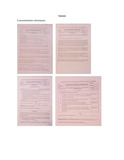
| dc.description | Imágenes, fotos | |
| dc.description.abstract | En el Barrio marruecos en Bogotá, se evidencia una gran cantidad de personas mayores entre 60 y 70, las cuales no se encuentran organizadas y generalmente permanecen en casa, no tienen mucho contacto con sus pares, experimentan sensaciones de pérdida de capacidades, no se sienten importantes en contextos familiares y/o comunitarios. Además, no conocen la red que apoyo que brindan las Instituciones Distritales, se sienten abandonados por las Instituciones. Lo anterior se dilucida con un breve diagnostico que se realiza a la comunidad a través de una lluvia de ideas, en la cual las personas mayores participan activamente. Lo encontrado en el diagnóstico, nos permite un bienestar social en la población, afectando directamente la vivencia de una vejez y un envejecimiento activo y feliz. Dicha situación, se intensifica debido a la insatisfacción de necesidades humanas, la falta de auto reconocimiento de las capacidades y saberes personales, culturales y sociales y la falta de conocimiento sobre la oferta de servicios a nivel Distrital. Se agrega que, muchas veces no reconocen sus procesos biopsicosociales, influyendo en la participación activa de su proyecto de vida y la percepción autónoma y libre para decidir sobre el mismo. Teniendo en cuenta lo anterior, se propone un proyecto aplicado, suscrito a la sublínea de salud mental, bienestar y calidad de vida comunitaria y cambio social y será transversal el modelo de Bienestar de Lin y Ensel. | |
| dc.format | pdf | |
| dc.title | Potenciando el Bienestar Social de las Personas Mayores en el Barrio Marruecos | |
| dc.type | Proyecto aplicado | |
| dc.subject.keywords | Envejecimiento, vejez, bienestar social, participación comunitaria, necesidades humanas, rutas institucionales | |
| dc.description.abstractenglish | In the Marruecos neighborhood in Bogotá, there is evidence of a large number of elderly people between 60 and 70, who are not organized and generally stay at home, do not have much contact with their peers, experience feelings of loss of capabilities, and do not feel important in family and/or community contexts. In addition, they do not know the support network provided by the District Institutions, they feel abandoned by the Institutions. The above is elucidated with a brief diagnosis made to the community through brainstorming, in which the elderly participate actively. What was found in the diagnosis, allows us a social welfare in the population, directly affecting the experience of an old age and an active and happy aging. This situation is intensified due to the unsatisfaction of human needs, the lack of self-recognition of personal, cultural and social capacities and knowledge, and the lack of knowledge about the services offered at the District level. It is added that, many times they do not recognize their biopsychosocial processes, influencing the active participation in their life project and the autonomous and free perception to decide about it. Taking into account the above, an applied project is proposed, subscribed to the subline of mental health, wellbeing and quality of community life and social change and it will be transversal to Lin and Ensel's Wellbeing model. | |
| dc.subject.category | Psicología comunitaria | |
| dc.subject.category | Ciencias sociales y humanidades | |